Balkan Road Trip Tips: 7 Things to Know Before You Drive the Balkans


This post may contain affiliate links. When you click on and/or make a purchase through an affiliate link placed on this website, I may receive a small commission at no additional cost to you. Read the full disclosure here.
Planning a Balkan road trip can feel overwhelming, with different borders, road rules and insurance requirements in almost every country.
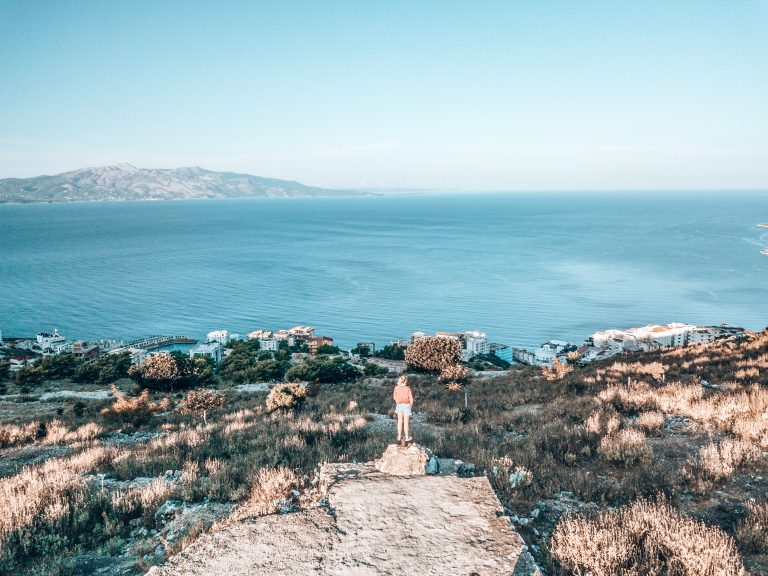
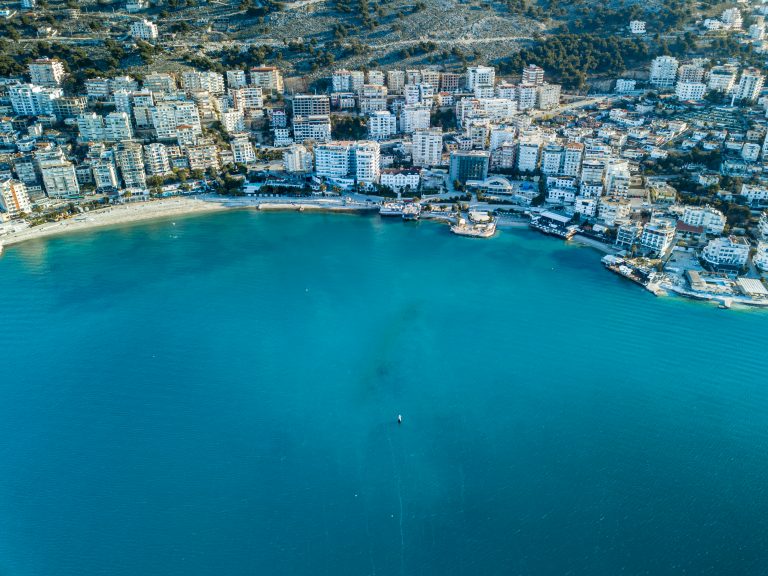
I’ve lived in the Balkans since 2017, and I’ve explored so many incredible places around the region, from the Albanian Riviera to Mostar.
The tricky part is that the rules change at every border, so a little planning saves a lot of stress.
So I asked some of my favourite travel bloggers for their best Balkan road trip tips, and here are the 7 I’d want you to know before you go.
Quick Answer: How I’d Plan a Balkan Road Trip
⭐⭐⭐ Hire a car that’s allowed to cross borders, and I’d compare prices on DiscoverCars before booking anything. Check prices & availability →
⭐⭐ Plan fewer, longer stops, and in Mostar I’d stay at Hotel-Restaurant Kriva Ćuprija in the old town. Check prices & availability →
⭐ If you’d rather not drive every border, this Perast, Kotor and Budva day trip from Dubrovnik covers Montenegro in a day. Check availability →
1. Check the visa requirements

Suggested by Karolina from the Lazy Travel Blog
One of the most important things to prepare for a Balkan road trip is your visas and entry rules.
The Balkans cover around ten countries, and the entry rules aren’t the same in all of them.
It is wise to check if you will need a visa and how long you can stay in a country beforehand.
Otherwise, you might face delays at border control or even issues with your green card if you’re travelling by car.
Always check the visa and border crossing requirements for each country on your Balkans itinerary.
If you’re driving a hire car, check that your rental company allows cross-border trips and gives you a Green Card (proof of insurance) for every country, and note that Kosovo usually needs extra insurance bought at the border.
Find the Best Car Hire for Your Balkan Road Trip
Compare prices on DiscoverCars, and before you book, check the rental allows cross-border trips and includes a Green Card for every country on your route.
Check here for the best car hire prices for your Balkan road trip →
EU, UK, US, Canadian and Australian passport holders can visit most Balkan countries visa-free, usually for up to 90 days.
Some Asian and South American countries also have the same arrangement with the Balkan States.
Croatia, Slovenia, Greece, Romania and Bulgaria are in the Schengen area, so days spent there count towards your 90 days in any 180-day period across Schengen.
If you do need a visa, apply well before your trip, as the documents and processing times vary by country.
In some Balkan countries, like Croatia, you will need to register with local authorities within three days of your arrival.
If you are staying at a hotel or hostel, this will be handled by your accommodation.
2. Stock Up on Snacks
Suggested by Wendy Werneth from The Nomadic Vegan
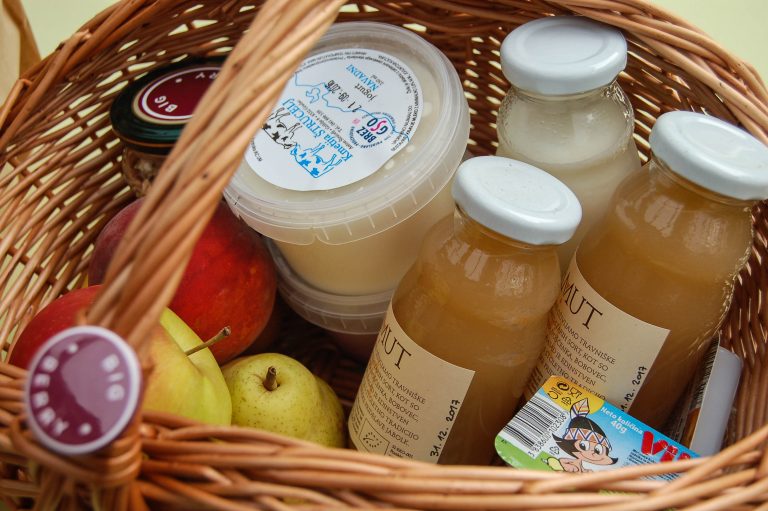
If you’re heading out on a long journey, be sure to stock up on some travel snacks before you leave.
In fact, even if you don’t expect the journey to be very long, it’s always a good idea to have an emergency stash of food on hand, just in case.
Nuts and dried fruit are very handy for traveling and are widely available in the Balkans.
Fresh fruit is also a good option and can be found at supermarkets or small town markets across the Balkans.
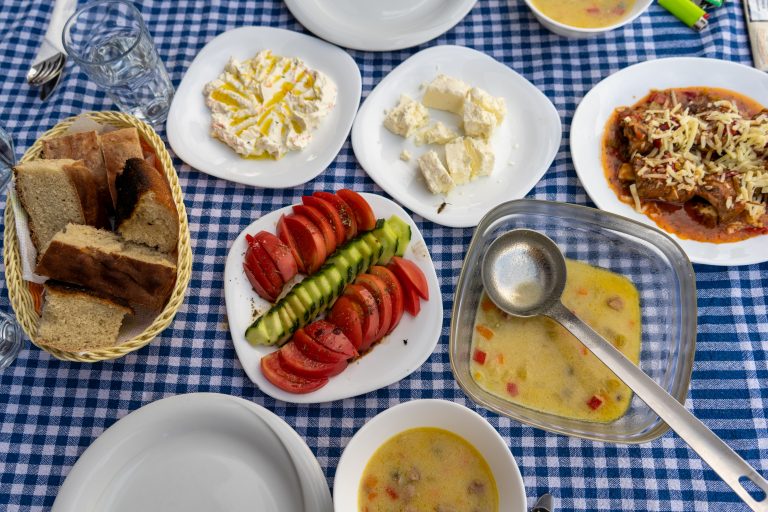
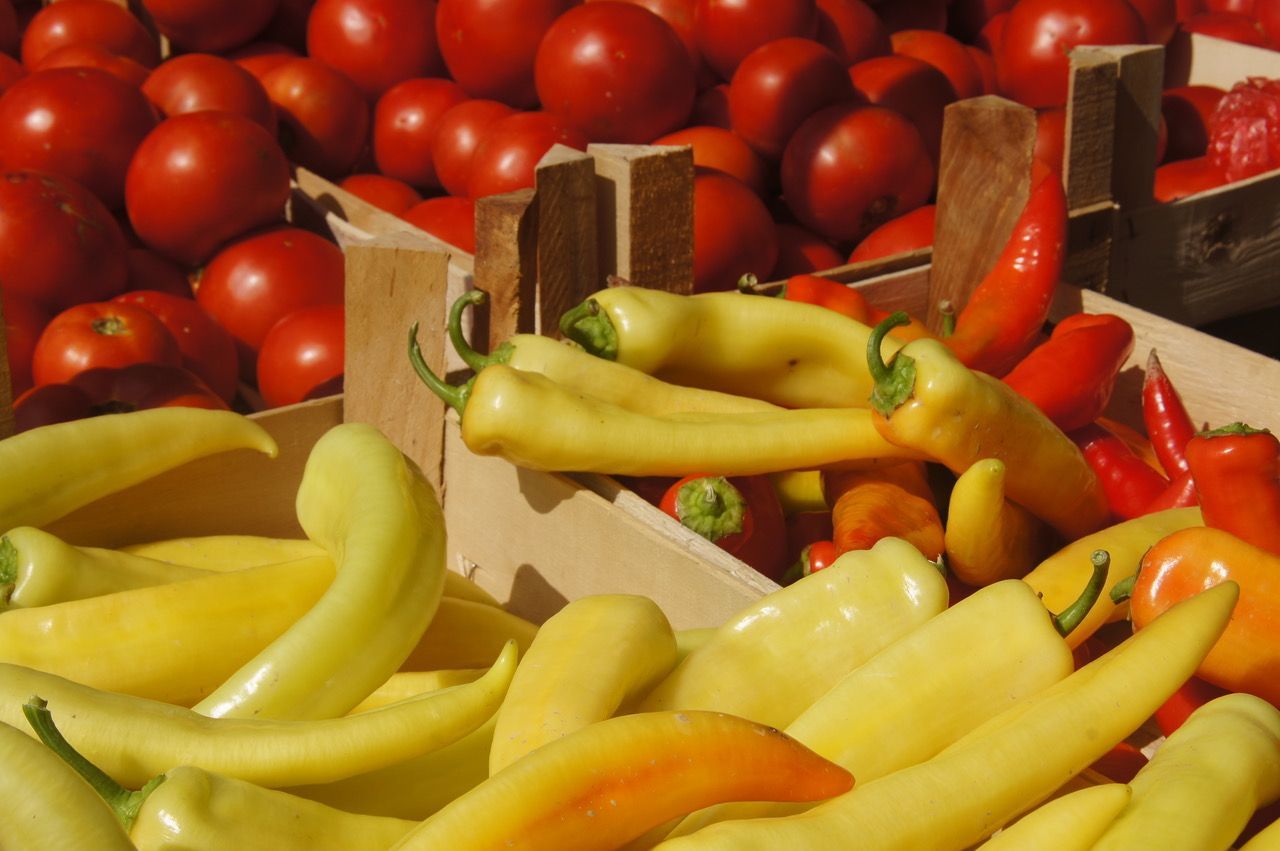
Of course, you could also try some more local foods, such as ajvar (a spread made from roasted bell peppers), which you could spread on crackers or sliced bread.
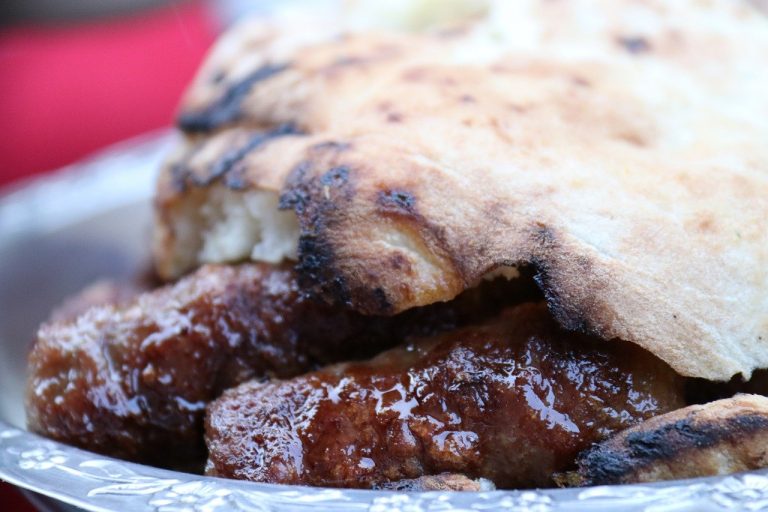
Or head to a local bakery and pick up some burek.
Delicious!
If you stop at local restaurants during your short drive, try ordering regional specialities like cevapi or sarma; these dishes are definitely worth visiting for.
For vegans, vegetarians, pescatarians and anyone with a meat, egg or dairy allergy, a useful word to know when shopping for food in the Balkans is “posno”.
This is especially relevant in countries like Serbia and Montenegro with a large Eastern Orthodox population.
The word “posno” means “fasting” and refers to the fasting tradition in the Orthodox Church, when believers refrain from eating meat, eggs and dairy products (though most in the Balkans still eat fish).
While Lent is the most widely observed fasting period, some people also fast every Wednesday and Friday, so “posno” food is available throughout the year.
3. Research road signage beforehand

Suggested by Rachelle from Adventure is Never Far Away
Road tripping around the world can open your eyes to new adventures and expose you to places you didn’t know existed.
If you’re planning a Balkan road trip, get ready to have your eyes assaulted with exquisite landscapes that will make you pinch yourself with amazement.
But as anyone who has road tripped in another country than their own, there are always a few learning curves that might throw you for a loop, not unlike the roads that you will travel on.
One of the best travel tips for people who are planning a Balkan road trip is to research road signage before beginning the journey.
Driving through dirt roads in rural Montenegro or navigating narrow streets in Croatia can be tricky, so studying signage ahead of time is crucial.
If you’re used to driving in other countries outside of Europe, Balkan road signs may catch you off guard.
From dirt roads to signs marking city walls or old bridges, it’s essential to familiarise yourself with the symbols you’ll encounter.
There’s nothing worse than driving along the Romanian countryside, thinking that everything is right in the world…and then happen upon a road sign that you don’t understand.
Even if you speak the local language, it won’t be of much help beyond pronouncing town names.
Most of the road signs that you’ll come into contact with in the Balkans aim for a universal understanding.
There will be a road sign that will give you information about the start (and end) of a kind of traffic situation: speed limits, crossings, expressways, tunnels, priority roads, and built-up areas.
One of the most important road signs to become familiar with prior to your Balkan road trip is the sign indicating when passing is allowed.
Make sure you read up on what that looks like so you can be the safest driver possible!
4. Avoid toll roads

Suggested by Emily from Wander-Lush
One of the biggest advantages to pre-planning your epic road trip driving route is the ability to avoid toll roads.
Most Balkan countries have at least a few highways, bridges or tunnels that you have to pay a small fee to use.
If you’re on top of it, you can map out a route that bypasses them.
Road tolls are usually pretty small, but they do add up, especially if you’re driving through multiple countries.
Avoiding tolls will save you cash in the long run.
It’s also a great excuse to stick to the back roads and take some of the more scenic driving routes.
Any road that acts as an alternative to a toll road is probably going to be a lot quieter, too.
In Montenegro, for example, the Sozina Tunnel between Lake Skadar and the coast is a toll road, and so is the new motorway north of Podgorica.
The alternative route, circuitous as it is, is actually far more beautiful.
Driving down the old highway, following a line of Yugoslavia-era cars, and catching the best views of the Adriatic Sea is one of my favourite memories from my 7-day road trip around Montenegro.
Skipping toll roads is often the best way to find quieter, more scenic spots.
Had I taken the shortcut, I never would have had that experience.
Be mindful that taking an alternative road will often require more time, so factor the extra distance and travel time into your itinerary.
3 Cross-Border Day Trips I’d Book
⭐⭐⭐ Perast, Kotor and Budva Small-Group Day Trip from Dubrovnik · Pick this one if you want a taste of Montenegro without driving the border. Check availability →
⭐⭐ Mostar and Kravice Waterfalls Day Trip from Dubrovnik · Pick this one if you want to see Bosnia and Herzegovina in a day. Check availability →
⭐ Montenegro Day Tour from Tirana: Budva and Sveti Stefan · Pick this one if you want something a little different, with two countries in one day from Albania. Check availability →
5. Don’t underestimate the time

Suggested by Coni from Experiencing the Globe
It’s quite easy to underestimate the time it’ll take you to get from point A to point B when road tripping the Balkans.
When you see that there’s only a few hundred kilometers between you and your destination usually you’d count only a few hours.
But think again in this part of the world.
You’ll most likely encounter rough roads –one lane and without asphalt is more common than you’d expect; mountain roads that are gorgeous but slow –like the one connecting Belgrade and Sarajevo; and seasonal traffic jams –especially in the coast (my personal record is 2 and a half hours from Split to Omiš in Croatia, with a distance of only 25 km).
Another fact to take into account are photo stops.
Even if photography is not your thing, you won’t be able to resist it.
Exploring landmarks like the old bridge in Mostar or the city walls of Dubrovnik may take longer than expected, but they’re highlights that make your trip unforgettable.
The Balkans are one of the most picturesque regions in Europe, so you’ll want to immortalize your visit.
Last but not least, factor in border control and potential delays, especially during peak travel seasons.
Whether you’re passing through Bosnia & Herzegovina or venturing into North Macedonia, time spent at borders can vary widely.
Remember that for every country you visit you’ll need to go through passport and customs control.
This can be very fast (like it usually is between Croatia and Bosnia and Herzegovina), or it can take ages (as it has been the case for me entering Bulgaria).
All in all, consider that 2 to 3 hours can easily turn into a whole day experience.
My advice is to relax, embrace the journey, and make the most of every stop, from the first day at your first stop to the next day of unexpected adventures.
A Balkans road trip is about the memories you create along the way.
Where I’d Stay on a Balkan Road Trip
(⭐⭐⭐ = my top pick)
⭐⭐⭐ Hotel-Restaurant Kriva Ćuprija, Mostar · Pick this one if you want to stay in Mostar’s old town. It has a 9.5 from over 2,600 guests. Check prices & availability →
⭐⭐ Hotel Monte Cristo, Kotor · Pick this one if you want to stay inside Kotor’s old town walls. It has an 8.8 from over 900 guests. Check prices & availability →
⭐ Maritim Hotel Plaza Tirana · Pick this one if you’re starting or ending in Albania. It has a 9.2 from over 2,000 guests. Check prices & availability →
6. Download offline maps

Suggested By Ashlea from Dashing Around the World
Make sure you download the full country maps (and nearby countries you may venture to) to your phone before your trip.
Offline maps are essential for navigating eastern Europe, where mobile signals can be unreliable, especially in old town areas and remote regions.
You don’t want to be without a map and have to rely on roaming fees, or even worse, be lost in a foreign country and not have internet to get the map you need.
We completed a two week road trip in Croatia, and took a slight detour into Bosnia and Herzegovina where our Croatian sim cards didn’t work.
Luckily, we had downloaded maps for surrounding countries, which made exploring the narrow streets of Mostar’s old bridge area much easier.
Offline maps are a lifesaver, especially in small towns or when navigating a camper van through rural areas.
You should try and have two map options for your Balkan road trip (in case there is an issue with one), and you’ll find some options are better than others in different places.
Along with the rest of the population, we love Google Maps!
It’s truly impressive how much information is in that app, and the driving directions are great, but make sure to download the whole region and not just load the specific route before driving off.
We also recommend maps.me for a great offline maps alternative.
This is what we used in Mostar due to not downloading the offline version in Google Maps and it worked perfectly.
7. Check the weather & be flexible during winter

Suggested by Inma from A World to Travel
The fact that many of the Balkan countries are located in southern Europe and others are bathed in the waters of the Mediterranean Sea can lead to deception.
In the winter season, it can get very cold, almost as much as in the countries of northern Europe especially in mountainous areas inland.
So, if you travel out of season, it is vital that you monitor the weather forecasts.
Especially if your route is road trip based and your experience driving in adverse conditions (such as ice on the road) is minimal.
In addition, staying flexible and having B plans and open options is always a great idea.
During low season, flexibility is key.
For example, you can adjust your route to visit Lake Ohrid on a sunny day or enjoy Sveti Stefan during clear weather.
Planning for a full day in each destination gives you the best time to experience the best places at your own pace.
On our last trip through the Balkans, we planned to tour some of the most renowned inland villages of Albania.
Of course, seeing that the forecast for Gjirokaster was -7 ° C and knowing the state in which some roads are in the region, we decided to change our route last minute to areas where it was not so cold, towards the coast.
A key move to keep enjoying our trip.
Safe travels!
Whether it’s a leisurely day trip to a small village or a more challenging route along a dirt road, the Balkans are the perfect place to create lasting memories.
For more on each country, here’s my guide to the Balkan countries.
If your road trip runs east, here’s how to get from Sofia to Bucharest and how to get from Istanbul to Cappadocia.